

The third component is detection risk, which represents the risk that auditors may fail to detect material misstatements during audit procedures. Auditors use their professional judgment and various audit techniques to minimize detection risk and increase the likelihood of detecting any material misstatements that may exist. Did you know that financial analysis and compliance strategies rely heavily on audit risk models? These conceptual tools play a crucial role in evaluating and managing the risks involved in performing audit engagements.
Audit risk model

Plus, it handles https://rivieraspamarrakech.com/new-york-tax-2025-guide-to-income-sales-property/ sensitive customer data like PII (personally identifiable information), adding to its regulatory requirements (HIPAA) complexity. Boost your confidence and master accounting skills effortlessly with CFI’s expert-led courses! Choose CFI for unparalleled industry expertise and hands-on learning that prepares you for real-world success. Compare features, benefits, and pricing to choose the best ESG platform for compliance. Data automation software also helps by obtaining data from various sources automatically.
#2 – Implementing A Solid Control System
They only state that auditors should reduce the audit risk to an acceptably low level. Hence, auditors’ professional judgment which is based on their knowledge and experience is very important here. UK and Irish students should note that there are no significant differences on audit risk between ISA 315 and the UK and Ireland version of the standard. Observation and inspectionObservation and inspection may also provide information about the entity and its environment. Once you online bookkeeping have completed the risk assessment process, control risk can be assessed at high–simply as an efficiency decision. An example of audit risk is missing a financial fraud detection by an auditor relying exclusively on antenatal procedures.

Industry
For example, those businesses that involve more with hedge accounting tend to have higher inherent risk than those of trading companies. This is due to hedge accounting tends to be complicated and require a high level of skill and knowledge in accounting. Imagine Company A which operates in financial services, is a small firm that has an internal audit committee, but the individuals have no financial background, and the firm wants to keep the audit risk below 20%.
- Furthermore, the technology sector is highly competitive and complex, thus putting a lot of pressure on the companies to present strong financial results.
- Auditors face various challenges in identifying and managing audit risks.
- Furthermore, you’ll also learn the process of identifying, reducing, and managing those risks using simple and actionable steps.
- Audit risk models are used during the planning stages of an audit to help the team determine which procedures make the most sense.
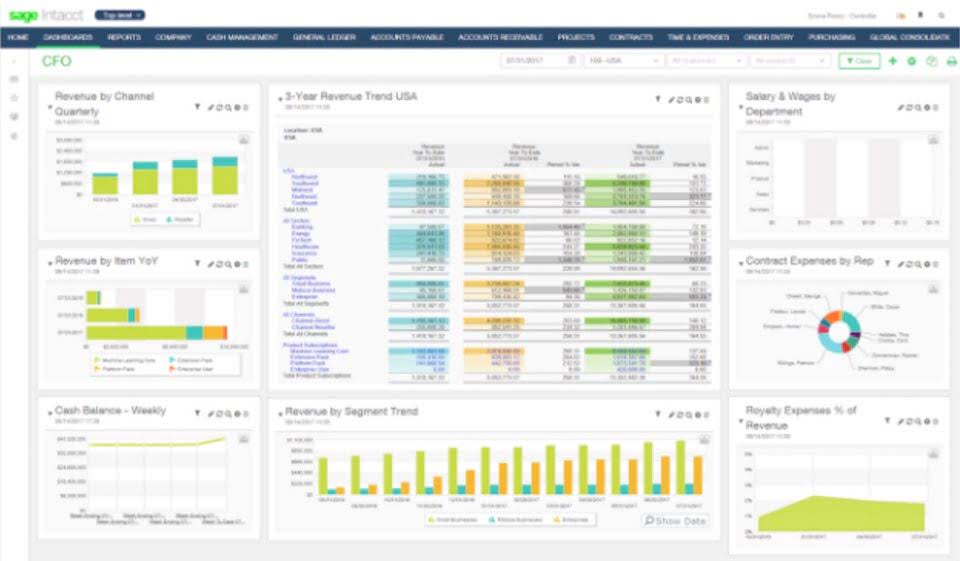
Intelligent financial automation solution
- These measures act as a safeguard, ensuring that the audit process is thorough, unbiased, and reflective of the entity’s financial standing.
- Auditors are also employed to thoroughly analyze financial statements using several tools, data analytics, and sampling methods to minimize detection risk.
- For instance, the adoption of new accounting standards could necessitate updated audit techniques, leading to a reassessment of control mechanisms.
- Similarly, in the case of a service-based startup with centralized operations, auditors use the audit risk model to evaluate the risks specific to the nature of a service-based business.
- In such instances, if the revenue figures are manipulated, this approach would not be able to detect the fraud, thereby becoming an example of detecting capitalise.
- For example, tools can monitor thousands of transactions over a month to determine outliers that may signify an error or other fraud-related issues.
- A model is presented which links risk sources, hazards/threats and exposed systems.
Some detection risk is always present due to the inherent limitations of the audit such as the use of sampling for the selection of transactions. Audit risk models are used during the planning stages of an audit to help the team determine which procedures make the most sense. During the audit process, they’ll go through the accounts and transactions listed on a company’s income statement, balance sheet, and cash flow statement. It’s important to keep in mind that these financial statements aren’t always complete or accurate. audit risk formula Outlining potential risks using an audit risk model helps you minimize issues like material misstatement and others.
Regularly updating training programs and procedures also helps the audit team adapt to new regulatory changes and emerging industry practices, thereby staying current and competent in a dynamic financial landscape. Strategic Comprehensive Planning stands at the forefront of this endeavor, serving as the blueprint that guides auditors through the audit lifecycle. It involves carefully aligning the audit’s objectives with the assessed risks, ensuring that efforts are concentrated where they are most needed.